We could write a marketing-friendly answer to this question, but we'd rather give you the real one. Bed bugs are one of the toughest pests to repel — period — and ultrasonic devices are not a reliable solution for an active bed bug infestation. If you're dealing with bed bugs right now, you should know that upfront so you can make a smart plan.
We sell ultrasonic repellers, and we'll tell you when they're a good fit. Bed bugs aren't the strongest case for our product, and pretending otherwise wastes your money and your time.
What the research actually shows
There's limited peer-reviewed evidence that ultrasonic frequencies meaningfully repel bed bugs in real-world conditions. A handful of laboratory studies have tested various ultrasonic exposures on Cimex lectularius (the common bed bug), and the consistent finding is underwhelming: bed bugs do not show strong avoidance behavior in response to ultrasonic stimulation, and they continue to feed and breed normally even when devices are running nearby.
Why? Bed bugs aren't acoustically driven the way rodents are. They locate their hosts through CO2 detection, body heat, and chemical cues from skin — not sound. Their nervous systems aren't wired to be disrupted by ultrasonic stimulation in the way that, say, a mouse's is. Research suggests they simply don't care.
We're not aware of any rigorous study showing ultrasonic devices reduce a bed bug population in a real home. Marketing claims to the contrary should be treated with skepticism, including any from competitors in our category.
What actually works for bed bugs
Bed bugs require professional or semi-professional intervention. Here's the realistic playbook:
- Confirm the infestation. Look for blood stains on sheets, dark fecal spots in mattress seams, shed exoskeletons, and a sweet musty odor in heavily infested rooms. If you're unsure, a $50 pest inspection is worth it.
- Heat treatment is the gold standard. Professional services raise room temperatures above 120°F for several hours, killing all life stages including eggs. This is the highest success-rate single treatment available.
- Encase mattresses and box springs in bed-bug-proof zippered covers. Leave them on for 12+ months — long enough that any trapped bugs starve.
- Wash all bedding, clothing, and soft items in hot water (120°F+) and dry on the highest heat setting for at least 30 minutes.
- Vacuum thoroughly and frequently, focusing on bed frames, baseboards, and seams. Empty the canister into a sealed bag immediately.
- Consider a professional chemical treatment if heat treatment isn't accessible. Modern formulations (combination of pyrethroids and IGRs) are effective when applied correctly.
If you're seeing bites and finding evidence of bed bugs, don't waste two months hoping an ultrasonic device will solve it. Call a professional. The earlier you intervene, the less it costs.
Where ultrasonic repellers do help
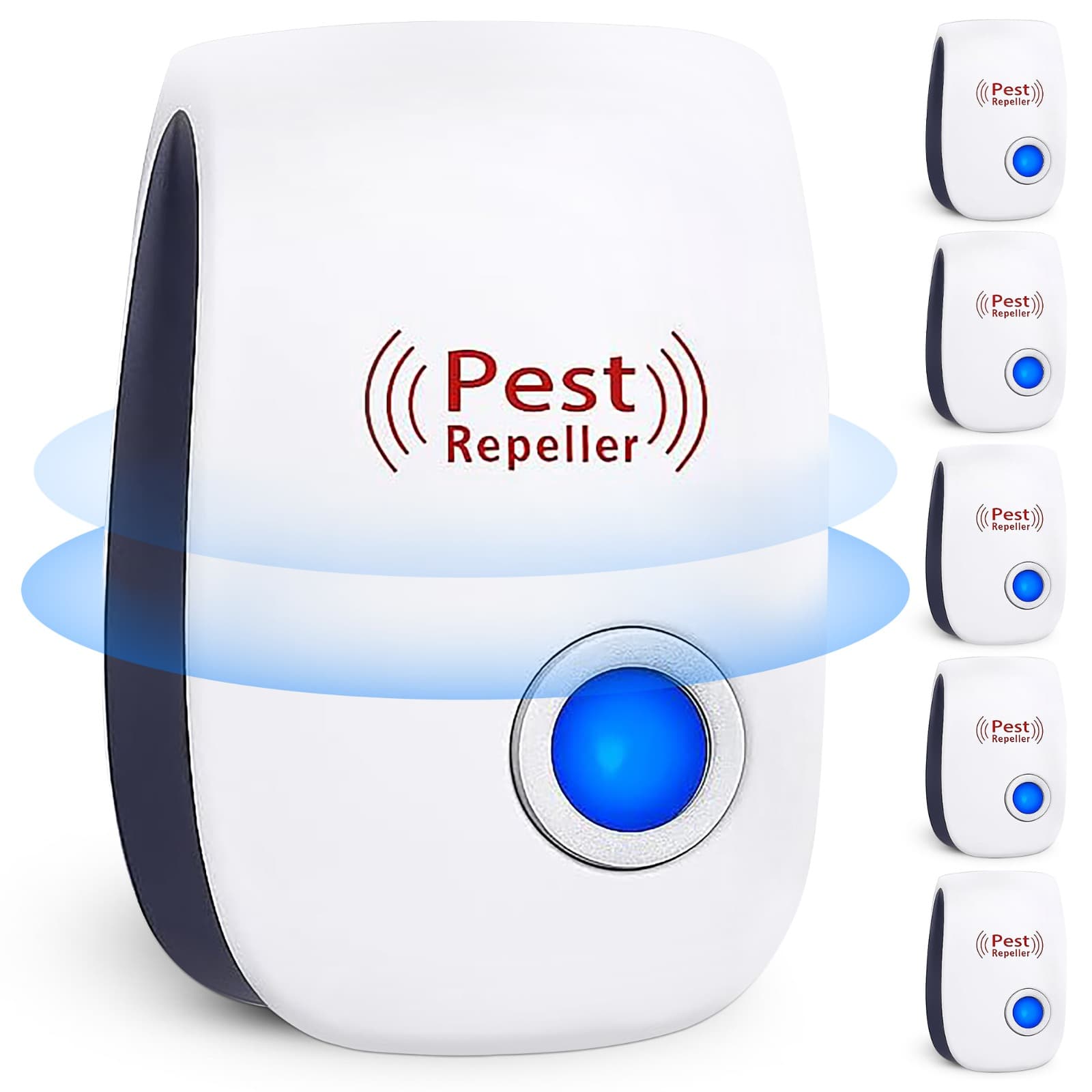
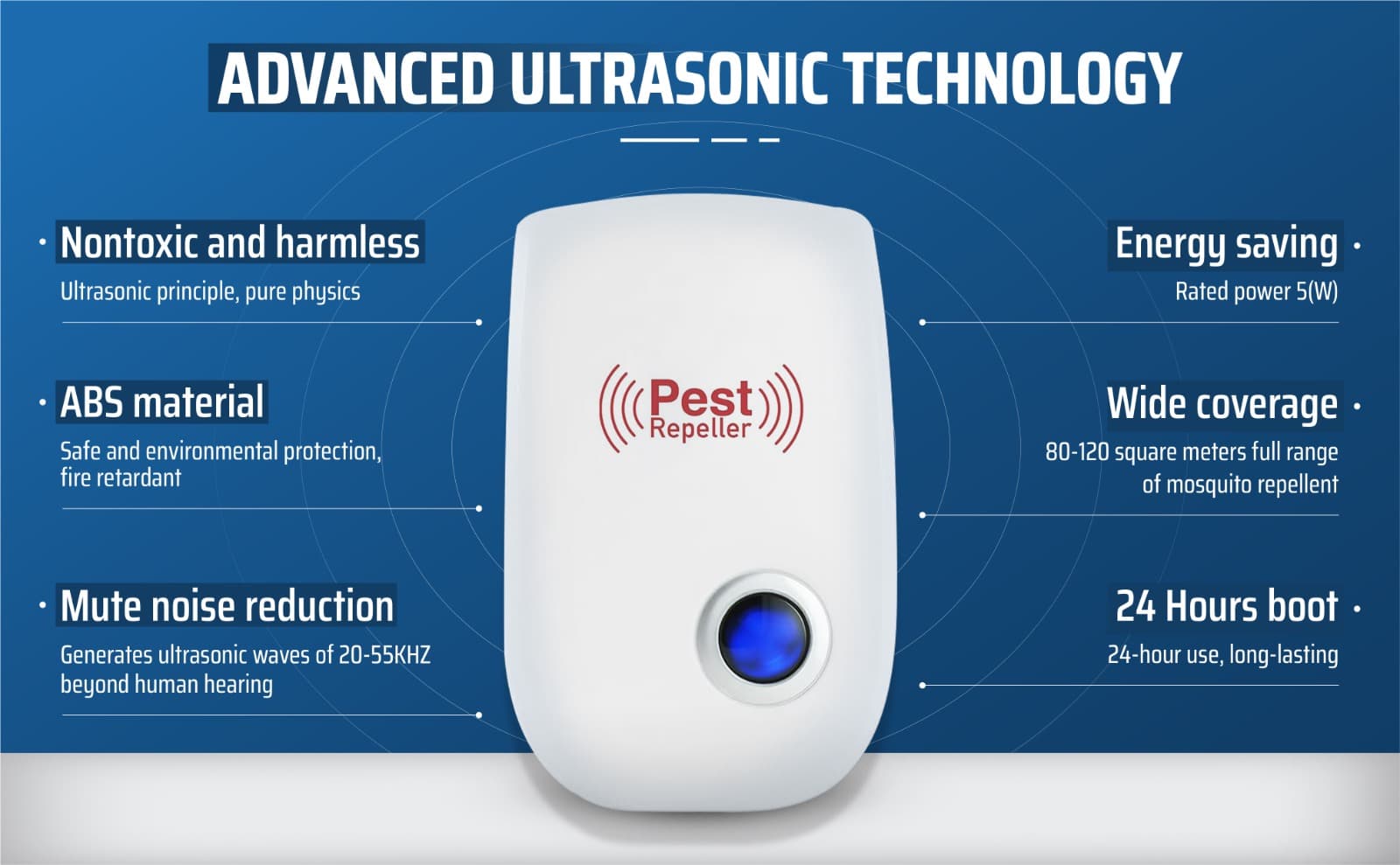
Our 6-pack is genuinely useful for the pests that respond to ultrasonic stimulation: mice, rats, mosquitoes, spiders, cockroaches, ants, and several common indoor pests. Most customers see noticeable activity reduction in those categories within 2–3 weeks. If you have a household where mosquitoes drift in during summer or you've started seeing signs of mice in the garage, our product is a reasonable fit.
But for bed bugs specifically, save your money for what works. We'd rather not sell you something that won't solve your actual problem.
After bed bugs are gone
Once you've successfully treated a bed bug infestation, ultrasonic repellers can be a small piece of an overall ongoing-prevention strategy alongside vigilance about luggage, secondhand furniture, and visitor patterns. They're a complement, not a primary treatment. For active bed bugs, professional intervention is the answer.